In today’s hyper-connected world, digital marketing has become an indispensable tool for businesses looking to thrive in a crowded marketplace. By harnessing the power of various digital channels like search engines, email, and social media, companies can forge meaningful connections with both existing and potential customers. This not only allows brands to reach a substantially broader audience more efficiently than traditional marketing methods but also enables them to pinpoint and engage with individuals most likely to convert into loyal patrons. This blog enumerates about 5 key elements of digital marketing strategy.
A robust digital marketing strategy encompasses several key elements that every business should consider incorporating to bolster its online presence:
Responsive Website with Engaging Content
A responsive website featuring engaging content serves as the cornerstone of any effective marketing plan. A well-designed website that is mobile-friendly, easy to navigate, and replete with clear calls-to-action is paramount for driving user engagement and conversions. Furthermore, a regularly updated blog that offers compelling and educational content not only enhances website traffic but also establishes the brand as a thought leader in its industry. Studies have shown that businesses with active blogs garner 55% more website visitors than those lacking this feature.
SEO Strategy
Search Engine Optimization (SEO) is another critical component of a successful digital marketing strategy. By optimizing website content with relevant keywords, businesses can improve their search engine rankings, thereby boosting website visibility and attracting more organic traffic. Employing SEO best practices not only enhances brand awareness and credibility but also generates high-quality leads for sustained business growth.
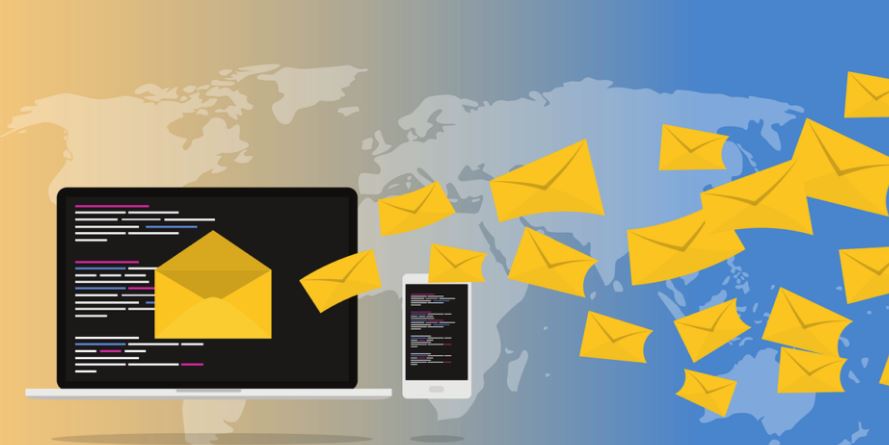
Email marketing campaigns are a cost-effective way to engage with a highly receptive audience. By nurturing an email subscriber list through targeted content distribution, businesses can promote products/services, share company updates, and tell their brand story effectively. Email marketing boasts an impressive return on investment, with studies indicating that it generates $42 for every $1 spent and is 40 times more effective in acquiring new customers than social media. Leveraging automation tools streamlines email marketing efforts, enabling businesses to optimize campaign performance and track key metrics efficiently.
Email Marketing Campaigns
Social media marketing has emerged as a potent tool for building brand awareness and fostering customer engagement. By leveraging social platforms to share company news, interact with followers, and promote products/services, brands can influence purchasing decisions and drive traffic to their websites. Incorporating social media best practices, such as choosing the right platforms, posting strategically for maximum engagement, and adapting strategies based on performance analytics, is crucial for a successful social media marketing strategy.
Social Media Marketing
Digital advertising campaigns, utilizing platforms like search engines, social media, and email, offer businesses a targeted and cost-effective means of reaching potential customers. These campaigns provide valuable insights into audience demographics and preferences in real-time, enabling businesses to refine their marketing strategies for optimal results. By deploying various types of digital ads, businesses can build brand awareness, generate quality leads, and boost product sales, even with limited budgets.
Summary
In conclusion, a comprehensive digital marketing strategy is essential for businesses seeking to remain competitive in today’s dynamic marketplace. By integrating the key elements outlined above—responsive website design, SEO tactics, email marketing, social media engagement, and digital advertising—organizations can effectively connect with their target audience, drive brand visibility, and achieve sustainable growth in the digital landscape. Embracing these elements will not only enhance brand presence but also cultivate lasting relationships with customers, positioning businesses for long-term success in the digital realm.
In the challenging landscape of digital marketing, where audiences are bombarded with an overwhelming array of choices, the battle to capture attention has never been fiercer. The mobile gaming industry, saturated with over 880,000 games available on platforms like the App Store and Google Play Store, faces a unique set of challenges when it comes to engaging users and enticing them to invest in their gaming experiences. However, in the midst of this digital cacophony, a beacon of hope shines through in the form of rewarded video ads. This blog enumerates about understanding rewarded video ads.
What Are Rewarded Video Ads?
Rewarded video ads stand out as a powerful tool that offers mobile gamers the opportunity to unlock valuable in-game items, benefits, and bonuses by simply investing a small fraction of their time in viewing an advertisement. This opt-in ad format has proven to be twice as effective as interstitials, with 53% of gamers reporting that they extend their playtime due to the incentives offered through these ads. This intrinsic value exchange creates a win-win situation for all parties involved – publishers can generate revenue, advertisers gain exposure to their target audience, and users enjoy an enhanced gaming experience with increased chances of progression.
Best Practices for Rewarded Video Ads
At the heart of rewarded video advertising lies the concept of providing viewers with instant gratification in exchange for their attention. Whether it’s receiving extra in-game currency, unlocking exclusive content, or accessing game-enhancing features, the allure of rewards plays a pivotal role in driving user engagement and retention rates. The seamless integration of these ads into the gaming experience coupled with the choice for users to opt in or out, ensures a positive interaction that enhances rather than disrupts the overall gameplay.
To maximize the effectiveness of rewarded video ads, marketers and developers must adhere to a set of best practices that focus on enhancing the user experience and optimizing ad performance. Strategic ad placement within the game environment is crucial, ensuring that ads are seamlessly integrated at points where users can leverage them to progress in the game. By aligning incentives with user needs and behaviours, developers can tailor rewards to match specific gameplay situations, such as offering extra lives when players are facing challenges or enhancing in-game purchases through ad promotions.
Give Priority to the User Experience
One of the key principles of successful rewarded video ads is the emphasis on user experience. By prioritizing user satisfaction and engagement, marketers can create a positive impact that resonates with players and encourages them to continue interacting with the game. Opt-in mechanisms empower users to choose their level of engagement, fostering a sense of control and personalization in their gaming journey.
Test Incentives for Optimal Results
Moreover, the testing of various incentives and rewards is essential to fine-tune ad strategies and identify optimal offerings that drive monetization and user engagement. By experimenting with different types of rewards, quantities, and formats, marketers can discover the most effective approaches to motivate users and drive in-app purchases. Unexpected rewards and mystery incentives can add an element of excitement and surprise, further enhancing the user experience and fostering long-term engagement.
Summary
In conclusion, rewarded video ads represent a dynamic and impactful marketing tool that not only benefits publishers and advertisers but also enhances the gaming experience for users. By following best practices, focusing on user experience, and leveraging data-driven insights, marketers can harness the potential of rewarded video ads to drive engagement, retention, and revenue in the competitive mobile gaming landscape. As the digital marketing landscape continues to evolve, rewarded video ads stand out as a beacon of innovation and effectiveness in capturing and retaining audience attention.
In the field of digital marketing, email newsletters have evolved from humble communication tools to potent revenue generators, making them a pivotal trend in the landscape of 2024. They have transcended their traditional role of simply disseminating information and updates, becoming indispensable for delivering customized content to captivate and convert audiences effectively. This blog discusses about tips to make money off email newsletters.
The Evolution of Email Newsletters into Revenue-Generating Powerhouses
Email newsletters have become integral components of marketing strategies, offering various avenues to monetize content and engage subscribers. Here are some key strategies to leverage email newsletters for revenue generation:
Tips to Make Money off Email Newsletters
1. Deliver High-Quality Content:
The cornerstone of a successful email newsletter lies in crafting high-quality content that not only informs but also educates and entertains the audience. Tailoring content to add value, save time, and cater to specific interests enhances audience engagement and loyalty.
2. Deploy Sponsored Content:
Collaborating with companies within your niche to create sponsored content can provide an additional revenue stream. Sponsored blog posts, product reviews, or expert interviews seamlessly integrated into the newsletter can offer value to both the audience and sponsors.
3. Offer Paid Subscriptions:
Targeting the most engaged subscribers with exclusive content, such as in-depth analyses, market research, or specialized business strategies, can be a compelling proposition for subscribers willing to pay for premium content. This approach creates a recurring revenue model for sustained profitability.
4. Create a Referral Program:
Implementing a newsletter referral program incentivizes subscribers to share the newsletter with their networks, fostering organic growth. The success of Morning Brew’s referral program exemplifies how leveraging subscriber advocacy can exponentially increase the subscriber base while reducing acquisition costs.
5. Explore Cross-Promotion:
Cross-promotion presents a cost-effective strategy to broaden your reach by featuring complementary newsletters in your content and vice versa. Partnering with established businesses can leverage their credibility to enhance your brand presence and attract new audiences, leading to diversified customer bases.
6. Embrace Analytics:
Analytics play a crucial role in optimizing email marketing efforts and understanding subscriber behaviour. By delving into analytics insights, marketers can track key metrics, evaluate campaign performance, and make informed decisions to enhance engagement and conversion rates. Investing in mastering analytics tools is indispensable for the success of email newsletters in revenue generation.
Summary
As the demand for in-depth, personalized content continues to rise, email newsletters have emerged as a lucrative avenue for revenue generation. By implementing strategies like delivering quality content, deploying sponsored material, offering exclusive subscriptions, fostering referrals, exploring cross-promotion, and leveraging analytics, marketers can harness the full potential of email newsletters to drive revenue growth. As we navigate the dynamic landscape of digital marketing in 2024, embracing the power of email newsletters as revenue generators is not just a trend but a strategic imperative for businesses seeking to thrive in the digital age.
In today’s digital age, blogging stands out as a potent and indispensable tool for fostering connections with audiences and establishing a strong online presence. Beyond merely disseminating information, many small blog owners leverage their platforms to educate customers, share personal experiences, and cultivate thriving communities. However, to maximize the impact of their content and forge lasting relationships with readers, integrating blog email marketing is paramount. This blog enumerates about how to do email marketing for bloggers.
Email Marketing For Bloggers
Blog email marketing serves as a linchpin in nurturing reader engagement and ensuring that blog content gains traction in the saturated online sphere. Notably, historical data underscores the superior conversion rates of email marketing compared to traditional search and social media marketing strategies. By delving into the different types of emails that bloggers should incorporate into their campaigns, a deeper understanding of how to harness the potential of email marketing emerges.
1. Confirmation Email
Upon a user subscribing to a blog, a confirmation email should be sent promptly. This not only serves as a verification step but also signals to email providers that the blog’s communications are legitimate and not spam. Moreover, it initiates the process of engaging with the audience and fostering a sense of familiarity.
2. Welcome Email
A welcome email presents a crucial opportunity to establish a personal connection with new subscribers. Expressing gratitude and introducing the blog’s content offerings can significantly enhance reader retention rates, as studies have shown that the majority of subscribers expect a welcome email after signing up.
3. Expectation Email
Setting clear expectations for subscribers from the outset is essential for delivering a positive user experience and fostering continued engagement. Research indicates that customers are willing to pay more for products or services when they receive exceptional experiences.
4. Freebie Email
Offering free content or resources to subscribers can enhance the perceived value of a blog. By leveraging the psychological impact of the word “free,” bloggers can entice readers with valuable giveaways, fostering a sense of reciprocity and further building rapport.
5. Exclusive Content Email
Providing exclusive content solely for subscribers can incentivize engagement and showcase the added value of being part of the blog’s community. Customized content offerings can strengthen connections with readers and solidify trust in the blog’s brand.
6. Helpful Email
Building trust with readers through offering assistance and valuable insights is vital to maintaining a loyal readership. By proactively addressing readers’ questions and providing helpful tips in emails, bloggers can demonstrate their understanding of readers’ needs and establish credibility.
7. Newsletter Anniversary Email
Celebrating milestones like a newsletter anniversary can reinforce a sense of community among subscribers and demonstrate appreciation for their support. This email can also communicate future goals and reinforce the blog’s commitment to delivering quality content.
8. Feedback Request Email
Soliciting feedback from readers enables bloggers to understand their audience better and tailor content to meet their needs. By actively engaging with readers and responding to their feedback, bloggers can enhance reader satisfaction and loyalty.
Summary
In conclusion, effective blog email marketing is a powerful tool that enables bloggers to establish meaningful connections with their audience, drive engagement, and enhance the overall user experience. By incorporating various types of emails tailored to different stages of the subscriber journey, bloggers can foster stronger relationships with readers, increase retention rates, and ultimately build a loyal following. As the digital landscape continues to evolve, leveraging email marketing strategies remains essential for bloggers seeking to thrive and succeed in the competitive online realm.
Artificial intelligence (AI) has swiftly revolutionized the digital marketing realm, emerging as a powerful tool for a myriad of tasks such as crafting blog posts, handling customer inquiries, and predicting market demand. As businesses strive to enhance their digital marketing strategies, the integration of AI presents an unparalleled opportunity to elevate personalized marketing endeavours, optimize content, and amplify return on investment (ROI). This blog delves into the transformative role of AI in digital marketing, how to use AI in digital marketing and explores how leveraging AI can reshape marketing practices for improved outcomes.
What Is AI Marketing?
AI marketing leverages the capabilities of artificial intelligence to autonomously make decisions based on extensive data analysis, audience behaviour insights, and economic trends. This innovative approach is reshaping digital marketing dynamics by facilitating more efficient operations and enabling the delivery of personalized experiences at a scale previously unimaginable. By harnessing AI technologies, businesses can streamline marketing processes, enhance targeting precision, and drive customer engagement to new heights.
Why Use AI in Marketing?
The utilization of AI in marketing endeavours has yielded significant benefits across diverse facets of the digital marketing landscape, ranging from automated marketing campaigns to social media strategies. While AI has been part of marketing strategies for over a decade, recent advancements in natural language processing tools like ChatGPT have propelled AI technologies into the limelight, enabling more sophisticated and nuanced marketing applications. Through machine learning algorithms, AI marketing tools can dissect substantial volumes of data to generate tailored content for blogs, social media platforms, and other marketing channels, thereby augmenting operational efficiency and expanding outreach to potential customers.
7 Use Cases for Using AI in Your Marketing Strategy
The incorporation of AI into marketing strategies not only enhances operational efficiency but also elevates customer engagement to a superior level. By tailoring content based on individual preferences and behaviours, AI marketing tools facilitate deeper connections with target audiences, fostering higher conversion rates and heightened customer satisfaction. The personalized touch brought by AI-driven marketing strategies allows businesses to forge meaningful relationships with consumers, ultimately leading to enhanced brand loyalty and increased market share.
In practice, there are seven prominent applications of AI in marketing strategies that underpin its transformative potential: brainstorming, research and customer data analysis, content creation, reporting, personalization, mass optimization, and improving customer experience. Each of these facets plays a crucial role in empowering marketers to deliver targeted, dynamic, and engaging campaigns that resonate with audiences on a personal level.
To elevate marketing efforts and unlock the full potential of AI in the digital realm, businesses can leverage a variety of AI tools tailored for marketing purposes. By incorporating these tools into their marketing arsenals, organizations can harness the power of AI to optimize workflows, enhance customer interactions, and drive revenue growth in an increasingly competitive digital landscape.
Summary
In conclusion, the integration of AI technology in digital marketing practices heralds a new era of innovation and efficiency, enabling businesses to engage audiences in more meaningful ways and achieve unprecedented levels of personalization and efficiency in their online campaigns. By embracing AI-powered marketing solutions, organizations can stay ahead of the curve, maximize ROI, and deliver compelling brand experiences that resonate with consumers in the digital age.
In today’s competitive business landscape, small business owners are faced with the challenging task of juggling multiple responsibilities, with marketing being a crucial aspect of their operations. With the constant emergence of new businesses, understanding the realm of digital marketing has become more essential than ever. This blog delves into Digital marketing for small business and pragmatic strategies tailored for small businesses to maximize the impact of their marketing efforts.
Crafting Your Strategy & Attracting New Customers
Crafting a robust marketing strategy entails understanding your audience on a deep level. Placing the customer at the forefront, small business owners must invest time in comprehending the needs and preferences of their target market. By personalizing marketing messages based on consumer behavior, businesses can enhance the relevance of their outreach efforts and foster a trusted relationship with their clientele.
Content creation serves as a pivotal tool in attracting and retaining customers. Captivating content not only piques the interest of consumers but also aids in improving online visibility. Establishing a blog, engaging on social media platforms, and creating engaging videos are effective methods to draw in and retain customers. Moreover, incorporating a clear call-to-action prompting the audience to take the next step, such as joining a mailing list, enhances customer engagement.
Local targeting offers small businesses an opportunity to connect with their community effectively. Understanding the communication channels is prevalent in the local area, whether through physical bulletin boards or online forums, enables businesses to actively engage with the community. Additionally, ensuring a presence on listing sites like Yelp and Google enhances visibility and accessibility for potential customers.
In a mobile-centric era, optimizing marketing efforts for mobile devices is imperative. Given that consumers spend a significant amount of time on their mobile devices, businesses must ensure that their websites are mobile-friendly to facilitate seamless interactions with on-the-go customers.
Retaining Current Customers
Retaining existing customers is just as crucial as attracting new ones. Leveraging SMS marketing allows businesses to engage customers in real-time with time-sensitive messages like offers and reminders. Furthermore, automated email marketing tools streamline the process of personalizing emails and text messages, boosting efficiency and driving improved sales outcomes.
Making Campaigns More Effective
To make marketing campaigns more effective, businesses should focus on enhancing social media shareability. Crafting timely, relevant, and visually appealing content encourages audience engagement and expands the potential reach of the company. While social media is a powerful tool for customer acquisition and retention, it should be complemented with other tactics like email and SMS to maximize impact.
Savvy budgeting is essential for effective marketing strategy. By outlining strategies and their associated costs, businesses can align their marketing efforts with their budget constraints. Prioritizing cost-effective tactics like blogging and organic social media can provide a solid foundation for marketing initiatives.
Advanced Digital Marketing Tactics
Embracing advanced digital marketing tactics, such as paid digital ads on platforms like Instagram and Facebook, and delving deep into data analytics to understand campaign performance, can propel businesses towards enhanced marketing success. By discerning which campaigns and platforms yield the best results, businesses can optimize their marketing approach and drive revenue growth.
Summary
In conclusion, the journey of digital marketing for small businesses is not a sprint but a marathon. With strategic planning, a customer-centric approach, and a blend of traditional and innovative tactics, small business owners can navigate the complex marketing landscape successfully. By implementing the suggested strategies and embracing the evolving digital realm, businesses can pave the way for long-term success and growth in an increasingly competitive business environment.